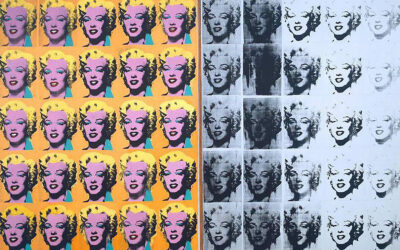
How to Understand Abstract Art: A Beginner’s Guide to Modern Styles
Stepping into a gallery filled with abstract non-figurative shapes can feel overwhelming. Without a familiar landscape or face to anchor our gaze, many of us ask the same foundational questions: What is abstract art? How do you understand abstract art? And why do people like abstract art so deeply?
Abstraction isn’t a secret code to decipher, it’s a language of feeling. While representational art functions like prose, describing a specific scene, abstract art operates like music, using visual rhythms to evoke pure emotion.
Whether you are looking at a classic modern abstract drawing or an expansive colourful abstract painting, here is a step-by-step guide to unlocking the meaning on the canvas.
1. Observe the Basics
Before looking for a hidden meaning, simply take inventory of what is physically in front of you. Focus on three core elements:
- Colour: Notice the dominant palette. Are the tones warm and fiery, or cool and quiet? Ask yourself how the colours make you feel. Are they calm, aggressive, melancholic, or joyful?
- Lines: Are the marks sharp and geometric, or fluid and expressive?
- Shape: Are you looking at structured forms or organic, floating clouds of pigment?
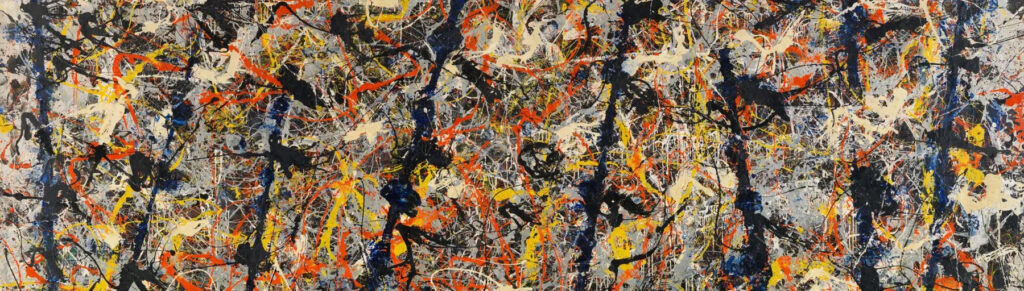
2. Check the Composition & Movement
Composition is the invisible roadmap of the artwork. This is a good moment to take a step back and find where your eye lands first:
- Does a high-contrast accent draw you straight to the center?
- Do diagonals force your gaze dynamically across the surface?
- How do negative spaces give the busier areas room to breathe?
Notice how contrasting tones or rhythmic gestures guide your eyes. A well-constructed abstract canvas painting manages your movement just like a film director controls camera angles.
3. Examine Texture and Medium
You’re going to want to stand close enough to inspect the surface application. Texture reveals the artist’s physical energy and speed:
- Thick, heavy impasto and aggressive palette knife marks convey raw kinetic energy and urgency.
- Smooth, subtle glazes or delicate ink washes create a quiet, meditative space that invites slow contemplation.
Spotlight: Abstract Line Drawings with Miloš Reindl
To see these principles in action, look no further than Czechoslovak-Canadian artist Miloš Reindl.
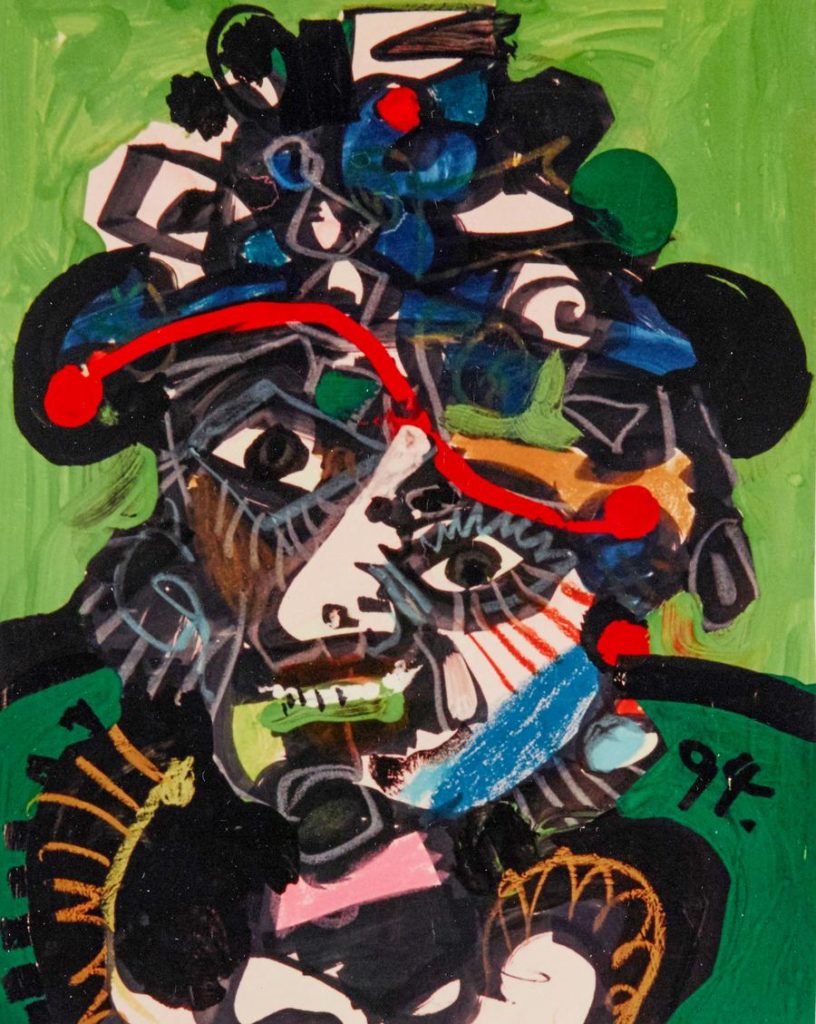
Throughout his life, from his early graphic work in Prague to his later Canadian studio practice, Reindl mastered the art of abstracting line drawings. Rather than rendering a hyper-realistic subject, Reindl used thick, calligraphic felt pen outlines, acrylic, chalk, and gouache on cardboard and canvas to distill subjects into their essential emotional forms. Browse his many collections of abstract pieces here.
In Reindl’s work, a modern abstract drawing isn’t just an exercise in shape; it’s a bridge between discipline and freedom. Trained under European masters like Emil Filla and Antonín Kýbal, Reindl combined intense structure with raw Expressionism. His sharp, biting lines often reflect his lived history of political censorship and exile, demonstrating how a single expressive stroke can carry a lifetime of human experience.
4. Read the Title and Context
If you find yourself with more questions than when you started, checking the gallery wall tag or title can provide a valuable clue regarding the artist’s mood, inspiration, or starting point. It can provide background information like an artist’s reaction, processing personal loss, or escaping political turmoil. Having a little extra insight can unlock the conceptual framework behind their visual choices.
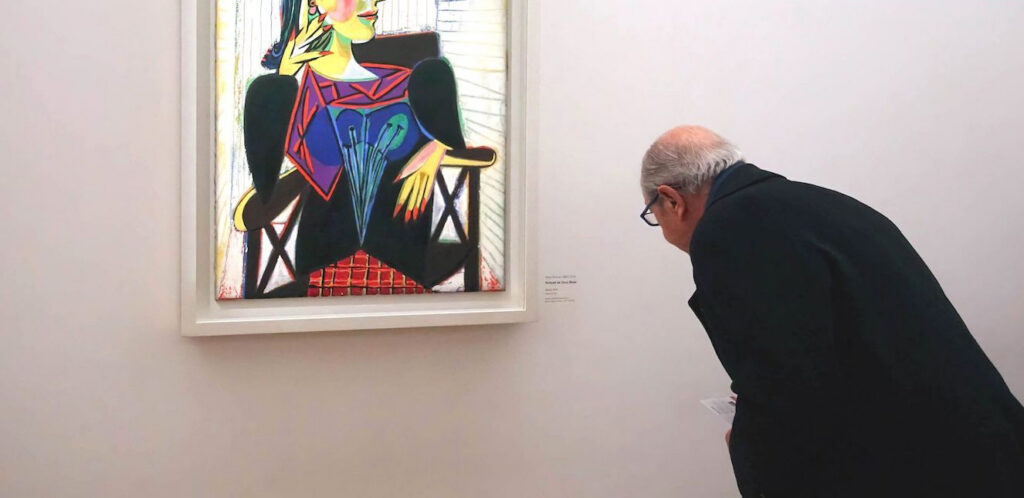
5. Trust Your Intuition & Treat It Like Music
Stop searching for a recognizable object. When you listen to an instrumental piano concerto, you don’t ask, “What is that note supposed to look like?” You simply allow the sound waves to stir a feeling.
Treat a colourful abstract painting the exact same way. Give yourself permission to stand with a piece for a few uninterrupted minutes. Notice what memories, physical sensations, or quiet moods rise naturally to the surface.
6. Accept Multiple Meanings
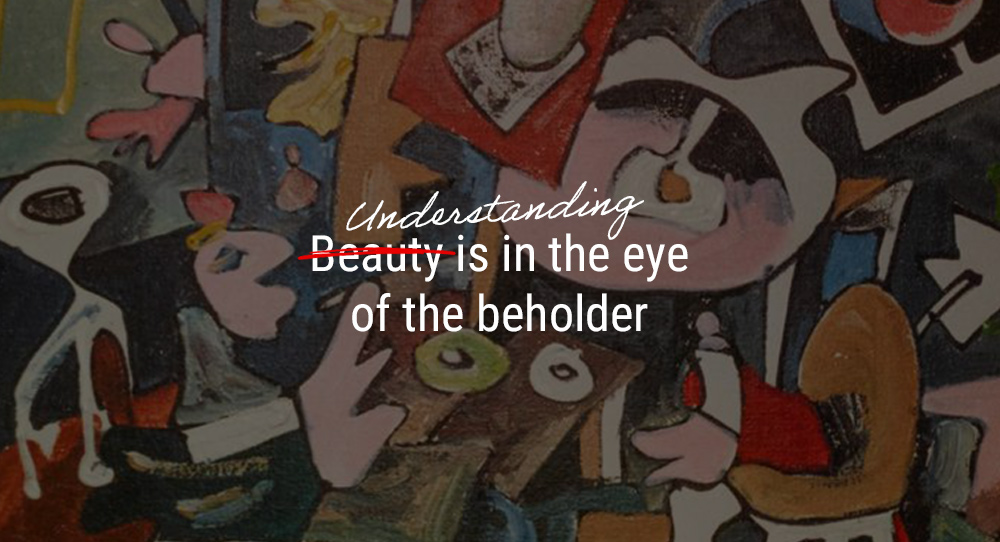
Why do people like abstract art? Because it offers infinite freedom. Unlike a literal photograph, abstract art requires the viewer to complete the picture.
There is no single “correct” answer or hidden riddle to solve. Your personal reaction, shaped by your own lived experience, is entirely valid. When you look at an abstract canvas painting, whatever you feel in that moment is the meaning of the work.
Frequently Asked Questions
What is abstract art?
Abstract art is visual artwork that does not attempt to represent an accurate depiction of visual reality. Instead, it uses shapes, colours, textures, and gesture marks, such as a modern abstract drawing or ink sketch, to achieve its emotional or visual effect.
How do you understand abstract art as a beginner?
Start by analyzing basic visual elements: colour psychology, composition, line quality, and surface texture. Rather than trying to figure out what the artwork depicts, focus on how the arrangement of forms makes you feel.
Why do people like abstract art?
People appreciate abstract art because it allows for personal interpretation and emotional freedom. It creates an open dialogue between the viewer and the canvas, offering a unique experience to every person who stands before it.
Ready to test your visual intuition? Explore Miloš Reindl’s original studies and figurative abstractions in the Palbric Online Gallery.