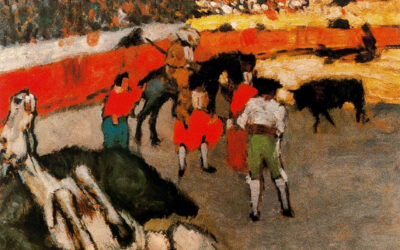
New York Streets to European Exile: Comparing the Art of Basquiat and Reindl
Jean-Michel Basquiat and Milos Reindl may have occupied different corners of the 20th century, but they were tethered by the same desperate need: using Expressionism as a survival tactic.One turned urban noise into symbols with agitation; the other transformed a life on the move into introspective canvases. Connected by expressionism to survive and process their reality, their methods of abstracting reveal opposite intentions. While Basquiat turned urban noise into a jagged protest against the world, Reindl layered his canvases into a silent, introspective witness to a life in motion.
Jean-Michel Basquiat: Urban Protest
Basquiat was the voice of the 1980s New York underground, a scene where he showed that you had to be loud to exist. Using words like weapons, he delivered a telegraphic style as frantic as the streets he walked. His work is an unapologetic critique of power and race, documenting the grit of the Lower East Side and the systemic exclusion of Black artists. It’s meant to be felt instantly.
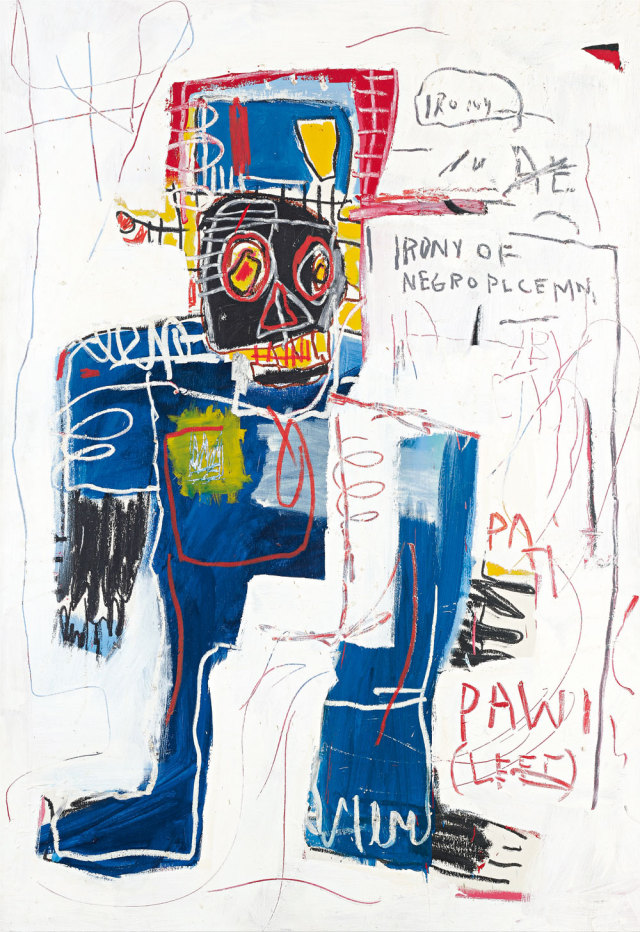
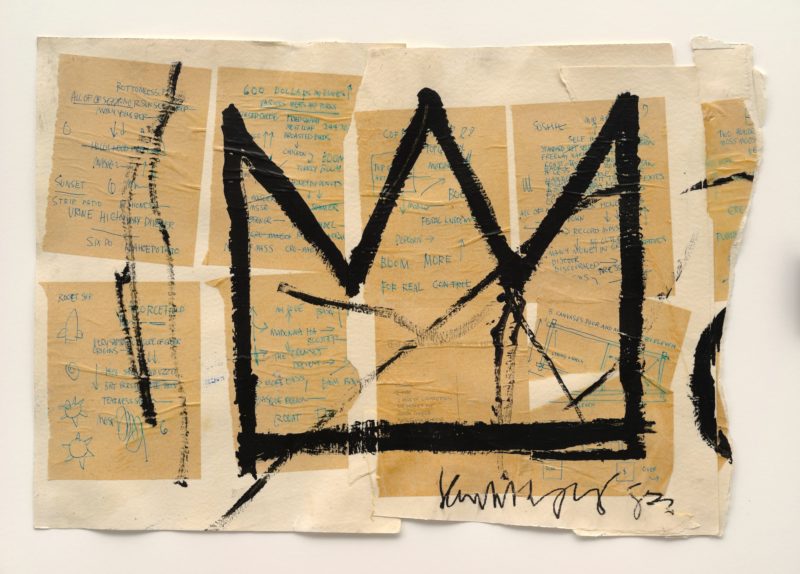
The artist developed a visual as rhythmic as hip-hop emerged around him. He combined text, anatomy, and street-art aesthetics to create urgent transmissions. His signature crown, – a symbol of Black majesty and a critique of the artist’s status – became a global icon. His style is characterized by a collision of cultures, from history books to jazz, and is sometimes described as commercially saturated by some art critics.
Milos Reindl: Personal Witness
Milos Reindl’s work invites a slower look. The artist also had a wild, high-energy style of painting and bursts of creation, but he balanced the dream-like storytelling of his European roots. Restricted by political boundaries in Czechoslovakia before his exile, his art became a record of memories and discoveries, his paintings a synthesis of everywhere he travelled.
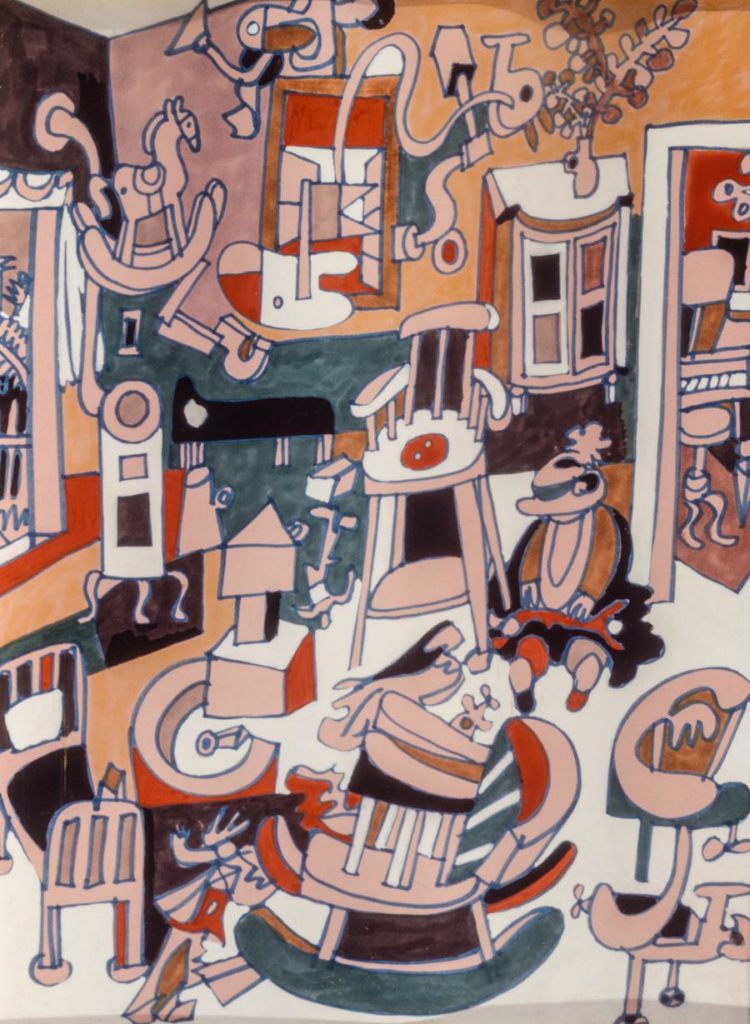
Having studied under Emil Filla, Reindl’s bold colours were part of an intricate, psychological composition where human forms merge with landscapes. For him, abstraction was a way to navigate the fracture of exile, creating a sense of depth demanding intellectual engagement.
He didn’t just paint a location; he painted the feeling of being an outsider, from Gaspésie to Positano and France. While Basquiat gives us the pulse of the crowd, Reindl offers the inner perception of a man finally allowed to see the world on his own terms.
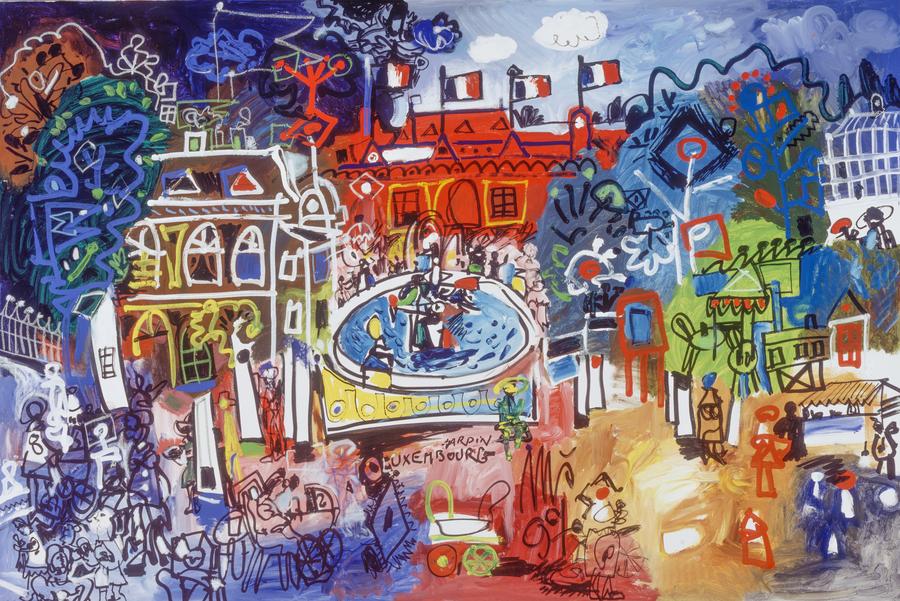
Raw Graphics and Social Resilience
Basquiat and Reindl rejected polished finishes of traditional art, opting instead for a style that feels immediate and emotionally honest. They converge through a raw graphic power specific to the 20th century. Basquiat did it through graffiti codes, while Reindl used the bold influence of political film posters.
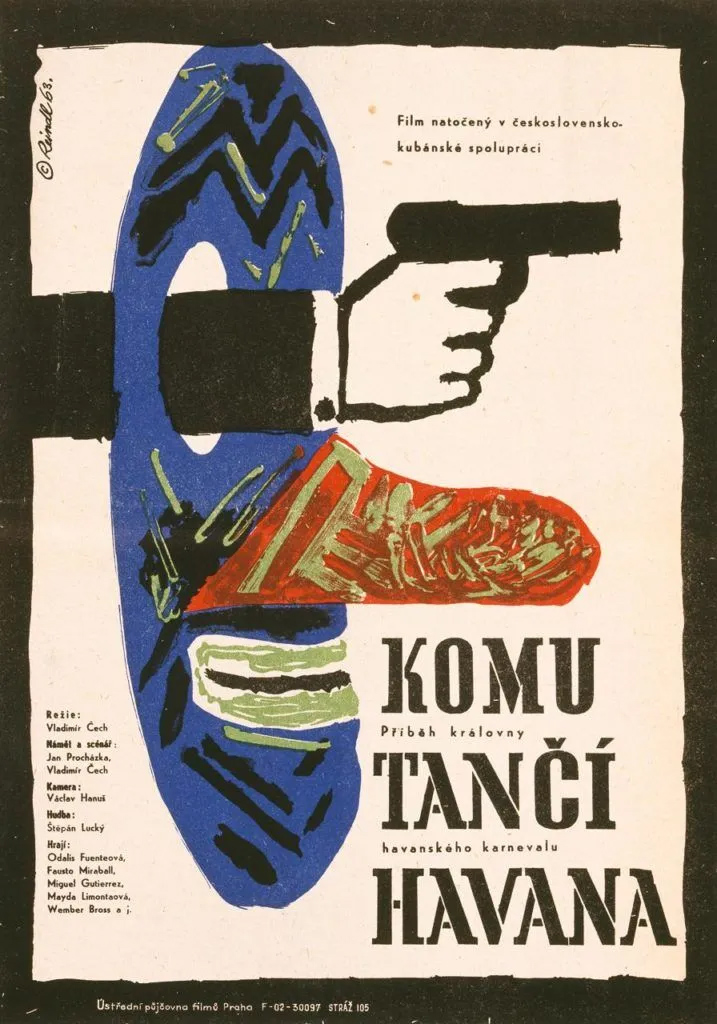
Reindl adds a deeper layer by integrating social resilience into his work, using scenes of circus performers and musicians to show how art brings people together despite a fractured world.
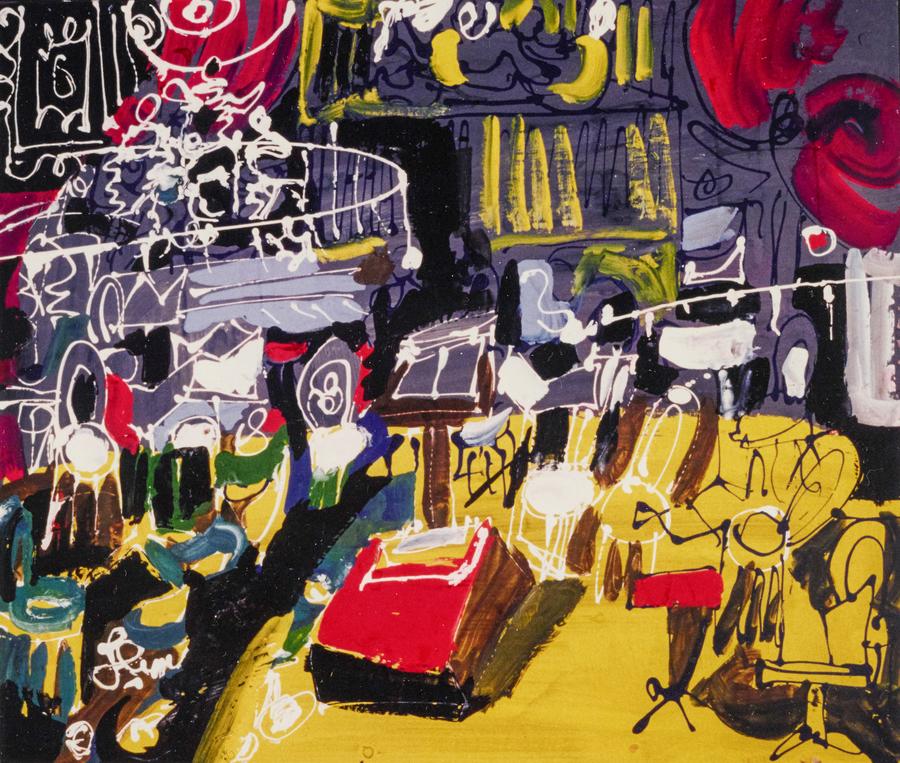
Music is another invisible thread connecting them. It was a structural tool for Basquiat. As a musician, he painted the energy of a performance and often focused on the soloist.
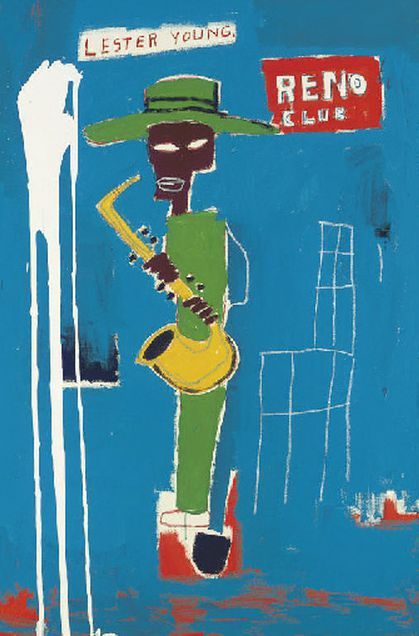
In The Wings, Jean-Michel Basquiat, 1986, acrylic and oilstick on canvas (Neo-Expressionism)
Market Icon or Intimate Treasure?
Jean-Michel Basquiat’s mark on the art world is one of public revolution. He remains the iconic figure of a specific historical moment, combining street art aesthetics with symbols of African-American history and social critique. While his work is raw, energetic, and culturally resonant, it is often characterized by spontaneous expression and repeated motifs, an emblematic style that some critics find more iconic than conceptually deep.
In contrast, Milos Reindl’s impact is more intimate and rare. Fusing surrealism with expressionism, he embedded psychological content into intricate compositions that comment on exile, identity, and political oppression. His style is nuanced and layered; it is a fusion of narrative and abstraction that invites slow contemplation rather than instant recognition. Reindl is a treasure for the collector who values mature thematic exploration and the quiet, enduring power of an artist who chose deep reflection over commercial hype.
While Basquiat captures the explosive heat of a moment, Reindl captures the intellectual depth of a lifetime.