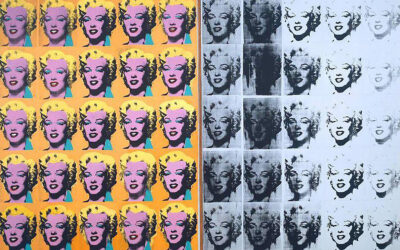
The Melancholy of Autumn: How Pop Culture, Modern Masters, and Miloš Reindl Paint the Changing Seasons
As the humid warmth of summer gives way to the crisp, amber air of autumn, a familiar shift occurs. On social media, our feeds instantly fill with the cozy, romanticized visual markers of the season, dubbed by internet culture as the quintessential “autumn aesthetic.” We trade sun-drenched days for oversized sweaters, cinematic rainy-day playlists, and moody photography.
But our collective fascination with autumn’s transition isn’t just a product of modern pop culture trends. Long before Instagram filters and Pinterest mood boards, history’s most celebrated artists used the shifting leaves to explore the deeper human experiences of transition, nostalgia, and a beautifully poignant melancholy.
As we look at autumn through a classic and modern lens, we see a striking bridge between the world’s most famous historical paintings and the vivid, introspective works of Czech-Canadian modernist Miloš Reindl.
The Art History of Autumn: From Monet to Van Gogh
In the classical art world, autumn has always been more than a change in the weather. It is an emotional landscape.
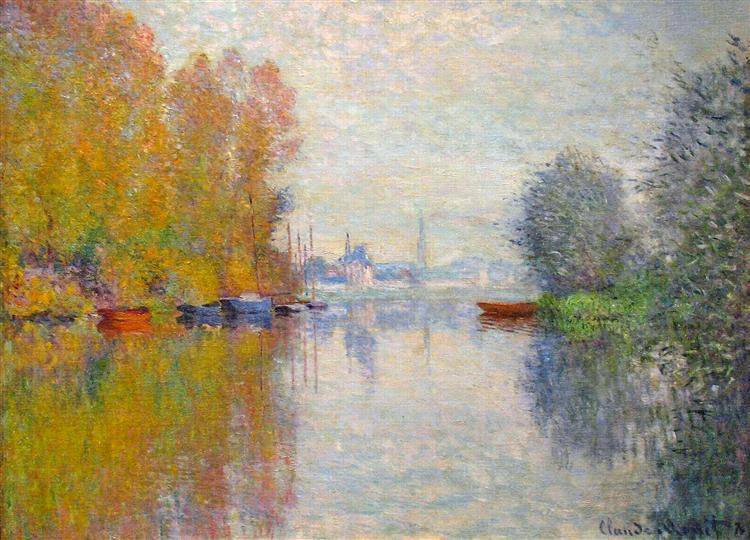
Consider Claude Monet’s impressionist classic, Autumn on the Seine, Argenteuil (1873). Monet utilized fractured brushstrokes of brilliant orange and gold to capture the fleeting nature of time itself. For Monet, autumn was an exploration of light, a temporary blaze of glory before the starkness of winter.
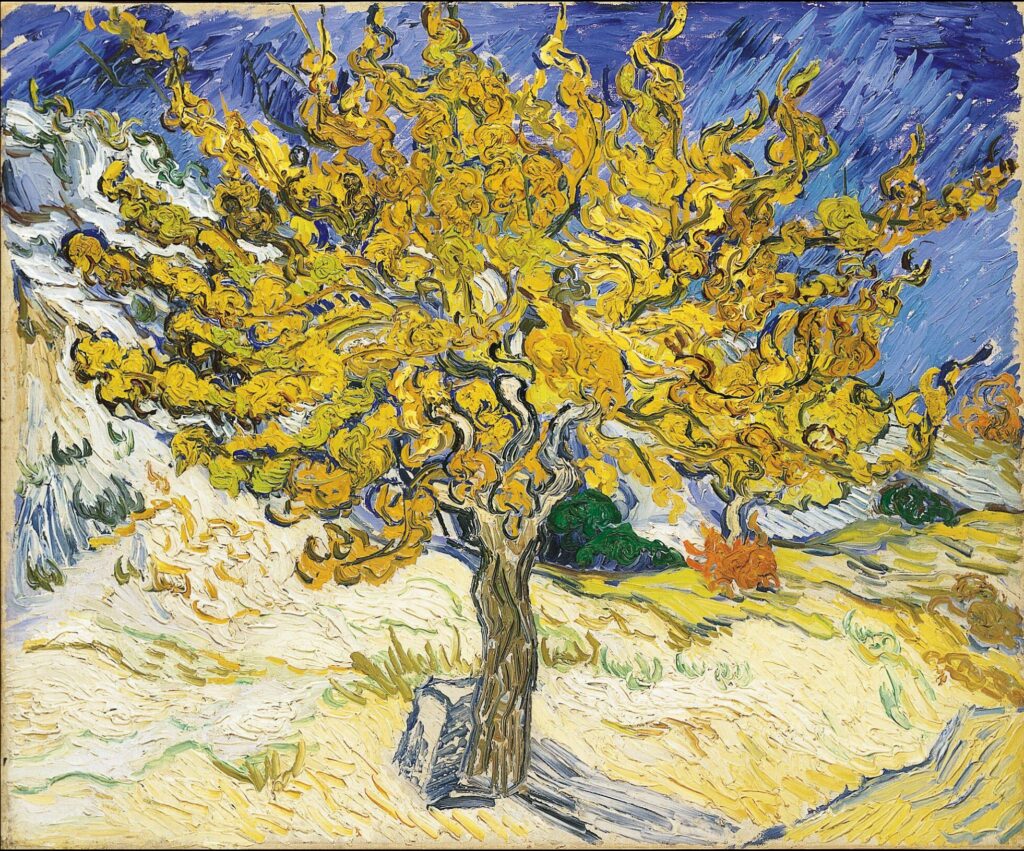
Decades later, Vincent Van Gogh took a far more psychological approach to the season. In works like The Mulberry Tree (1889), painted during his time in Saint-Rémy-de-Provence, the autumn foliage becomes a swirling, chaotic flame of deep ochres and fiery amber. Van Gogh didn’t just paint what autumn looked like; he painted how the season felt…turbulent, deeply alive, and laced with a quiet heartache.
Mid-Century Moods: From Abstract Expressionism to Pop Art
As we move out of impressionism and post-impressionism and into the digital landscape, modern art completely re-imagined the season’s palette. No longer bound by the physical appearance of changing leaves, mid-century masters used abstract forms and commercial graphic languages to evoke the crisp, melancholic vibe of late September.
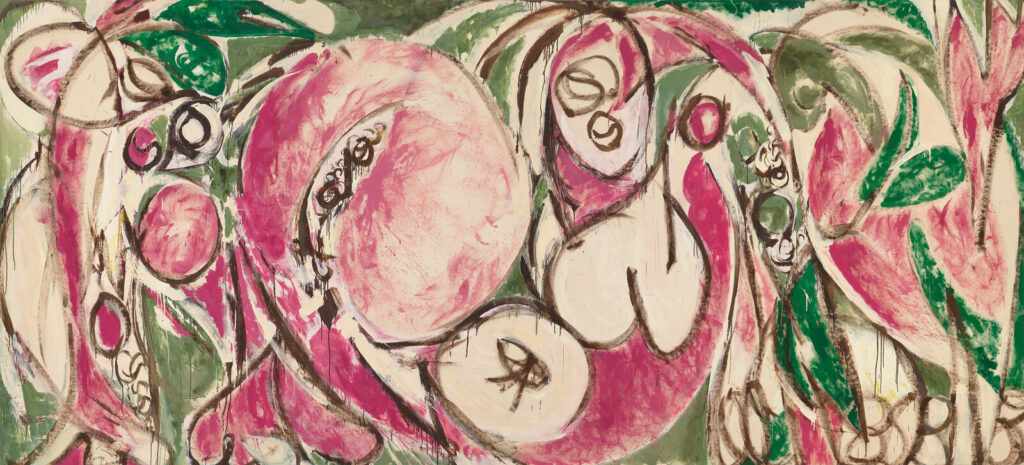
Take Lee Krasner’s Earth Green, a 17 painting series, painted in the emotional aftermath of Jackson Pollock’s death. While named for green, its dense, churning undercurrents of dark ochre, aggressive sienna, and muddy crimsons perfectly capture the raw, violent transition of nature stripping itself bare.
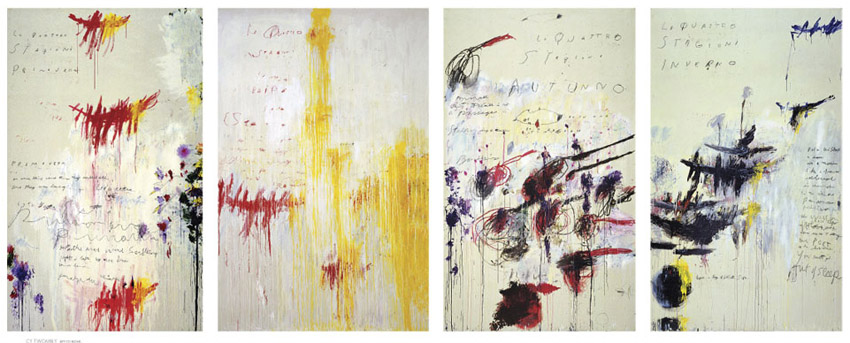
Conversely, Cy Twombly took a highly conceptual approach in his Four Seasons: Autumn (1993–1995). Using dripping, bleeding cascades of fiery purples, rich burgundies, and unravelling yellows, Twombly paired erratic brushwork with scribbled fragments of poetry. It mirrors the fragmented, fleeting way we experience memories as the year begins to close—a visual echo of the very nostalgia that floods our social media feeds every fall.
The Modern Autumn: Miloš Reindl’s Textured Transition
When we pivot to the 20th-century avant-garde, the season takes on an entirely new architectural and emotional weight. For Miloš Reindl, who arrived in Canada as a political refugee following the 1968 Soviet invasion of Czechoslovakia, the transition of seasons was deeply tied to his own experience of displacement and new beginnings.
Settling into his role as a fine arts professor at Université Laval in Quebec City, Reindl bore witness to some of the most dramatic autumn landscapes in North America. The fiery red maples of the Côte-Nord of Quebec and the shifting, moody light over Montreal found their way into his artistic subconscious.
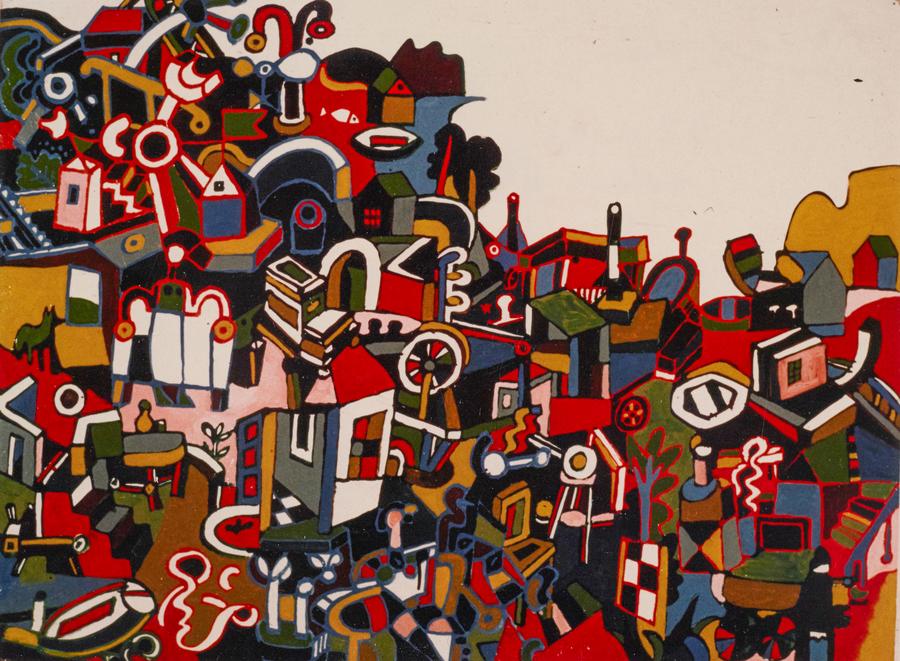
While artists like Henri Matisse and Pablo Picasso heavily influenced Reindl’s flattened perspectives and lyrical Cubism, his use of colour during seasonal transitions was entirely his own. In his celebrated Canadian landscape piece, The North Coast of Quebec, Reindl captures autumn not through simple realism, but through an explosion of unfettered colours paired with dense compositions.
Like Van Gogh, Reindl’s work is layered with social criticism and profound empathy. The changing season serves as a metaphor for the human condition. The beautiful, sometimes painful process of shedding the past to survive a new environment.
Why We Restlessly Chase the “Autumn Aesthetic”
Why does this specific imagery continue to dominate popular culture every September? From the cinematic, rain-slicked streets of classic films to the viral “cozy seasonal” trends of today, pop culture treats autumn as a collective pause button. It is a period where we are allowed to embrace introspection.
When you visit an exhibition or view Palbric’s digital gallery, you realize that modern pop culture is simply continuing a conversation that artists like Monet, Van Gogh, and Miloš Reindl started long ago. We lean into the rich colour theory of autumn because it validates our own internal transitions.
Whether it is the lyrical Cubism of a Czech refugee painting in Quebec or an Impressionist master capturing the banks of the Seine, art reminds us that there is profound, enduring beauty in the periods of change.
With autumn comes the “spooky season.” Dive into some artistic autumn lore by learning about the dark side of art. Or, scroll through some scary historical paintings.